Hi there! I’m Absar — Web & Ads Data Analyst and Conversion Tracking Expert. I provide end-to-end digital marketing solutions that boost ad performance, improve tracking accuracy, and drive qualified leads and online sales. I simplify analytics and streamline conversion workflows to help businesses achieve smarter decisions, stronger performance, and sustainable growth.
Top 10 Google Ads mistakes & How to Fix for Better ROI
Proven fixes that save money, boost ROI, improve performance, and drive faster growth.
Google Ads // Campaign setup & Ad budget Fix Strategy
Post by : Faioz Toe
December 30, 2025
Comments (06)
Google Ads is a lead-generating machine: clicks turn into leads, leads turn into customers. Sounds simple—but driving qualified traffic consistently? That’s the real challenge.. No one nails it perfectly—mistakes happen. That’s why we’ve identified the 9 most common Google Ads blunders marketers make, so you can dodge them and get real results.
Nothing wastes your budget faster than irrelevant clicks on Google Ads. Too many businesses get burned by poorly managed PPC campaigns—especially when relying on cookie-cutter agencies. I’ve seen countless businesses pour big budgets into Google Ads only to see disappointing results.Mistakes happen to every digital marketer, and there’s no one-size-fits-all formula for the perfect campaign. But avoiding common pitfalls can make all the difference.
Ready to take your digital marketing to the next level? Get started with an initial review of your goals and current program.
1. Ignoring Essential Account Settings
Many marketers miss the mark by not properly setting up key Google Ads account features from the start. While Google Ads tracks clicks and conversions, integrating Google Analytics is a game-changer—it reveals what users actually do once they land on your site. This insight helps you confirm whether your ads reach the right audience and if your landing pages truly resonate.
A major blunder? Failing to measure ROI accurately. Setting up conversion goals in Google Analytics lets you track high-value customer actions—whether purchases, sign-ups, or calls. Without this, you’re flying blind.Also, don’t skip adding tracking templates to your campaigns. These reveal where clicks come from and whether traffic stems from Search or Display networks, giving you the full picture of your campaign’s performance.
2. Inconsistent conversion tracking setup
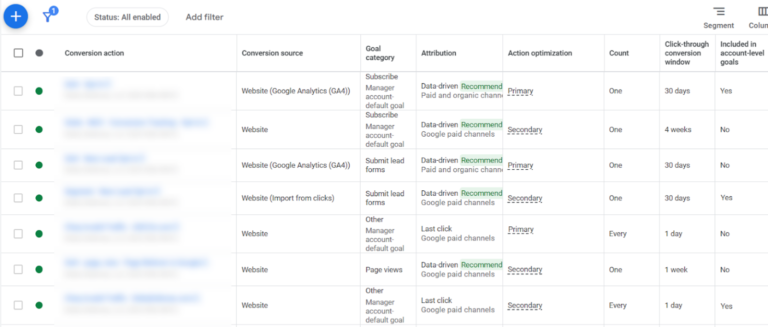
Optimization decisions rely entirely on accurate conversion data. When conversion tracking is inconsistent, performance data becomes distorted across your entire account—leading to poor optimization, misallocated budgets, and unreliable insights.
Google Ads Conversion Tracking Setup
If your conversions use different attribution models, count types, or conversion windows, data is applied unevenly across campaigns. This inconsistency makes it difficult to accurately measure the true value of each click and confidently scale what’s working.
In some cases, conversion tracking may be overridden at the campaign level, creating the appearance of accurate tracking in isolated campaigns while the overall account remains inconsistent. However, these exceptions are rare and often introduce long-term reporting issues.
Consistent, standardized conversion tracking across your entire account should be a top priority for every paid search manager. It ensures reliable data, smarter optimization decisions, and sustainable growth.
3. Using the Wrong Keyword Match Types
Using the right keyword match types is one of the most underrated levers for Google Ads success. Get this wrong, and you’ll either drown in irrelevant clicks or miss out on valuable traffic.
Let’s say you’re advertising for “men’s shoes.” Here’s how each match type works:
Broad Match: men’s shoes → Triggers for related terms like “footwear for guys” or “men’s sneakers” — lots of reach, low control.
Phrase Match: “men’s shoes” → Triggers searches like “black men’s shoes” or “cheap men’s shoes” — maintains order, adds flexibility.
Exact Match: [men’s shoes] → Only triggers for very close variants like “mens shoes” — laser-focused, maximum control.
Broad Match Modifier (deprecated): Used to give partial control, now replaced by updated broad match behavior with improved intent matching.
Pro Tip : Use the Broad-to-Narrow Strategy Start with broad match to gather data. Once you’ve identified irrelevant traffic, add negative keywords to filter it out. Then gradually shift toward phrase or exact match to tighten control and improve lead quality.
Match types directly affect who sees your ads. Use them strategically, or you’ll pay for clicks that never convert.
4. Sending Traffic to Irrelevant Landing Pages
Getting clicks is only half the job. If your landing page doesn’t match your ad promise, say goodbye to conversions. Imagine clicking on an ad for “affordable CRM for startups” and landing on a generic homepage talking about enterprise software. You’d bounce in seconds. That’s exactly what many marketers do without realizing it.
Here’s what to watch for:
Relevance: Your landing page should deliver exactly what your ad promised. No more, no less.
Clarity: Have one clear CTA (e.g., “Get a Demo,” “Start Free Trial”). Don’t make users guess what to do.
Speed: If your page takes longer than 3 seconds to load, you’re losing money.
Mobile Optimization: More than half of users are on mobile. Your page needs to look and work great on every device.
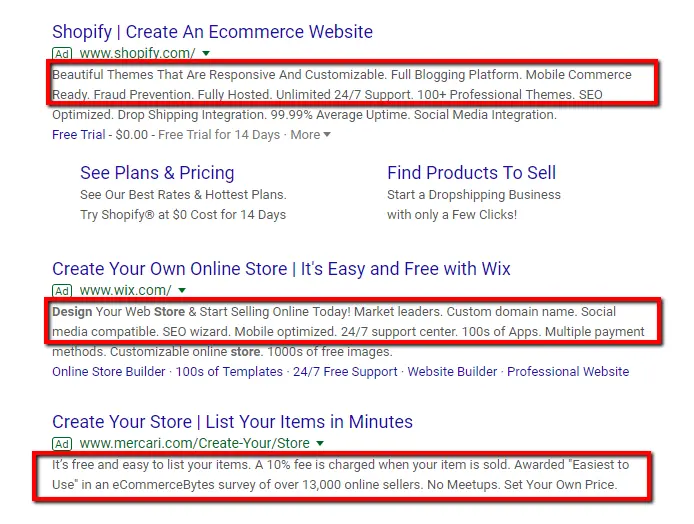
5. Writing Generic, Weak Ad Copy
Your ad copy is your first impression—don’t blow it.
Too many campaigns fail because their ads are bland, vague, or irrelevant. A great ad should stop the scroll, match search intent, and scream: “This is exactly what you’re looking for.”
Here’s how:
Match the keyword: Always include your target keyword in the headline—ideally in Headline 1. This boosts ad relevance and Quality Score.
Make your value obvious: Why should they click your ad instead of the other 10 showing? Highlight what sets you apart—“Free Setup,” “30-Day Trial,” “Done-for-You.”
Test variations: Run multiple headlines and descriptions. Find out what actually works, not just what sounds good.
👉 Example :
Bad: Affordable CRM for Businesses | Get Started Now. Good: Automate Sales with Our CRM | Zero Data Entry for Reps.
6. Ignoring Ad Extensions (Free Real Estate!)
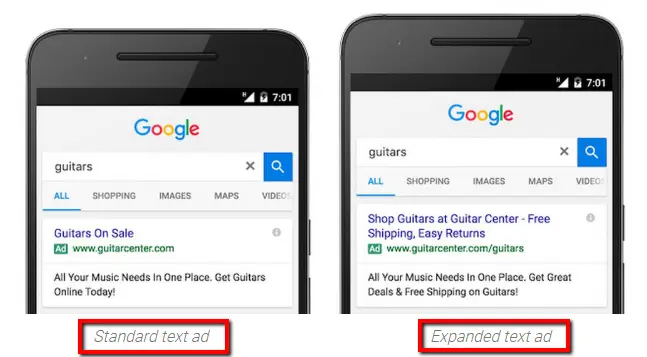
You spend hours perfecting your ad copy—but skip the free bonus features? That’s like baking a cake and leaving off the icing.Ad extensions give your ad more space, more info, and more chances to win the click. And Google loves them—CTR can increase by 10–15%, just by enabling them.
Here are the must-haves:
Sitelink Extensions – Link to other key pages (e.g. Pricing, Features, Testimonials).
Callout Extensions – Show off perks like “Free Shipping” or “24/7 Support.”
Call Extensions – Let users call you directly from the ad.
Location Extensions – Perfect for local businesses, showing address and map.
💡 Pro tip : Customize your extensions per ad group, not account-wide. Tailored = better performance.
7. Forgetting Negative Keywords
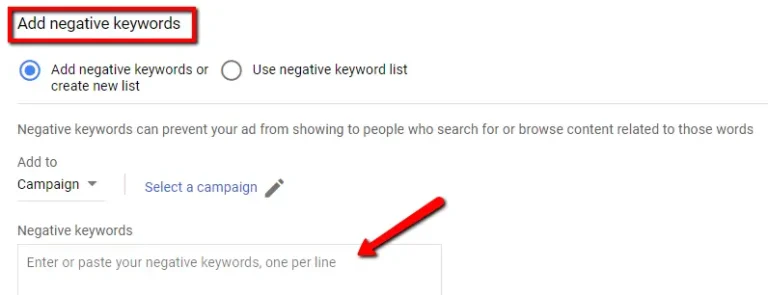
You wouldn’t advertise tennis shoes to someone looking for dress shoes, right? Without negative keywords, that’s exactly what you’re doing. Negative keywords prevent your ads from showing up for irrelevant searches, saving you money and keeping your traffic laser-focused.
Examples:
Selling a premium tool? Add “free” as a negative keyword.
Selling a paid ebook? Add “PDF,” “torrent,” and “free download.”
Here’s how to build your negative list:
Google Ads Keyword Planner – Spot related terms that don’t apply.
Search Term Reports – Regularly review what triggered your ads. Add anything off-target.
Customer Insight – Think about what your product is not, and block those searches.
8. Not Optimizing for Mobile (It’s 2025—Seriously?)
If your ads or landing pages aren’t mobile-friendly, you’re leaving conversions on the table—probably a lot of them.
More than 60% of searches now come from mobile. That means:
Your ads must load fast and look great on smaller screens.
Your CTAs should be clear and tappable.
Your landing page must load in under 3 seconds or users bounce.
9. Setting and Forgetting Your Campaigns
One of the fastest ways to waste ad spend is to treat Google Ads like a “set it and forget it” machine. Campaigns need constant monitoring, tweaking, and optimization to stay profitable.
Why it’s a problem:
Search trends shift, competitors change bids, and audience behavior evolves.
Without adjustments, yesterday’s winning ads can quickly become today’s money drain.
How to fix it:
Review your campaigns weekly to check CTR, CPC, and conversion rates.
Test new ad variations regularly to prevent ad fatigue.
Adjust bids based on performance data, not just gut feeling.
Rotate in fresh keywords and pause underperforming ones.
💡 Pro Tip : Use automated rules to alert you when costs spike or performance drops—so you can react before your budget burns.
10. Using too many keywords in one Ad group
Packing multiple unrelated keywords into a single Ad group is a recipe for irrelevant clicks and wasted spend. Take “lawyer” as an example. Grouping “immigration lawyer,” “divorce lawyer,” and “real estate lawyer” together will confuse Google—and your potential clients. Someone searching for a “real estate lawyer” might see an ad for an “immigration lawyer,” killing relevance and CTR.
The fix ?
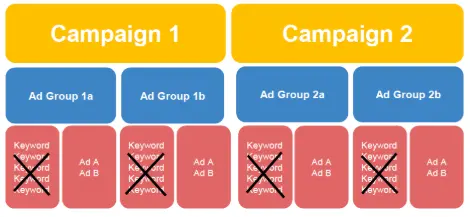
Use Single Keyword Ad Groups (SKAGs). Each SKAG targets one keyword and its close variations, drastically improving ad relevance, click-through rates, and Quality Score.
The result :-
Your ads match user searches precisely, cutting costs and boosting conversions.
Downside ?
SKAGs take longer to set up and manage. But tools like Google Ads Editor speed up the process by letting you bulk add and tweak keywords and ads efficiently. While managing many SKAGs means smaller data sets per campaign, the payoff in precision and performance is worth it.
Final Thoughts :
Stop Burning Budget. Start Driving Results.
One of the biggest myths in PPC is the “set it and forget it” mindset. That’s how you end up wasting thousands on irrelevant clicks. Google Ads can be one of your most powerful lead generation tools—but only if it’s properly managed.
Success comes down to a few key principles:
Target the right audience.
Use the right keywords and match types.
Continuously test and optimize.
Most importantly : If you can commit to refining your campaigns with focus and strategy, you’ll stop bleeding budget—and start seeing real ROI from your Google Ads investment.